.png)
Sustainable brand Everlane poisoned by SHEIN.
This month, reports surrounding SHEIN’s acquisition of Everlane have sparked widespread debate across the fashion industry, raising questions about whether ethical branding can truly succeed under fast-fashion economics.
Who is Everlane?
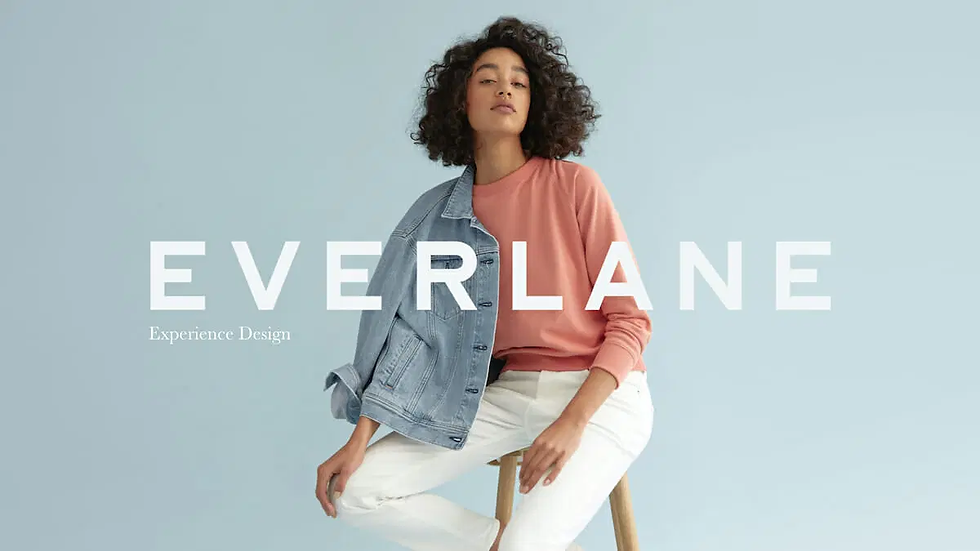
Everlane is a U.S.-based clothing brand best known for minimalist basics, ethical fashion marketing, and dedication to “radical transparency”. From just a brief visit to their website, it is apparent that their values and mission are at the forefront of their brand identity, with multiple sections dedicated to sustainability and responsible production. Everlane highlights its ethical labour practices, such as conducting compliance audits at each of their factories to evaluate important factors such as fair wages, reasonable hours, and environment, whilst emphasising their commitment to the environment by working closely with their production partners to reduce waste, minimise natural resource use, and remove harmful chemicals and plastics.
SHEIN controversy
We can’t help but wonder how a brand built on sustainable and ethical values became associated with a company widely criticised for representing the opposite. How can Everlane maintain its commitment to ethical labour practices while partnering with a company whose 2023 sustainability report identified two cases of child labour within its supply chain, and which has been repeatedly criticised for labour law violations, including 75-hour work weeks, underpaid workers, and alleged links to the forced labour of Uyghur Muslims? How can they continue to present themselves as an environmentally conscious company while working with a business that embodies the fast-fashion model, whose mass production significantly contributes to global textile waste and carbon emissions, and whose products have been found to contain hazardous levels of toxic chemicals that exceed European regulatory limits?
The vast contrast between the two brands' reputations and values suggests that this acquisition was most likely motivated by other factors, particularly financial. At their peak in the 2010s, Everlane was valued at around $600 million, however this success was not sustained, and earlier this year, the company found itself in significant debt and began seeking investors to help manage $90 million in liabilities. Seemingly, the solution came in the form of SHEIN’s $100 million acquisition of the brand. Arguably, the arrangement could also be a move by SHEIN to attempt to improve its public image and adopt more sustainable practices, learning from an existing ethical business to adapt their own practices; however, this seems unlikely as the company is successful alone in terms of profits and consumer demand.
What could this mean for the fashion industry?
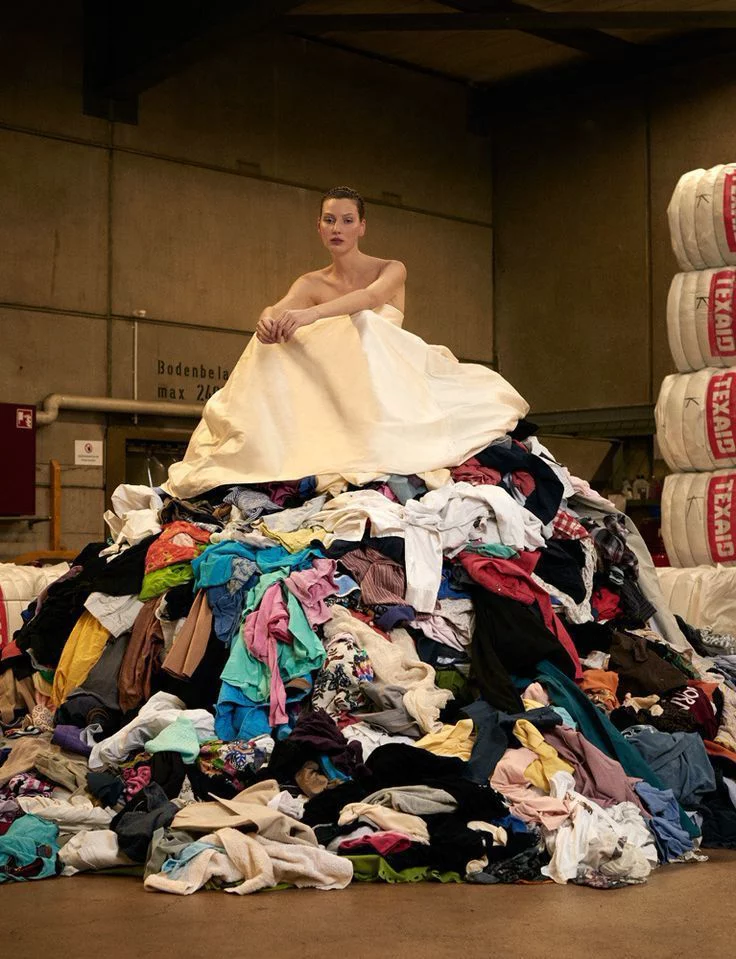
Either way, this deal highlights the growing tension within the fashion industry between profitability and sustainability, raising concerns about whether eco-friendly branding can truly survive within the fast-fashion system. Alongside the ever-changing and fast-moving industry, the rise of fast fashion has made trendy clothing more affordable and accessible than ever, but it has also created major challenges for ethical fashion brands trying to compete in a market driven by low prices and rapid production. Whilst companies may strive to maintain sustainable business practices, the financial and logistical elements can be complicated to manage in order to keep up with consumer demand for constantly changing styles. As a result, it's hard to find brands that are genuinely committed to sustainability instead of using it as a marketing strategy. Therefore, seeing a company that was established upon its “exceptional quality”, “ethical factories”, and “radical transparency” essentially sell itself to the epitome of fast fashion, makes us question the sincerity of countless other self-proclaimed sustainable brands.
What can we as consumers do?
It’s difficult not to feel powerless in an industry shaped by over-consumption, where trends move at an overwhelming pace, and we are constantly exposed to relentless marketing. For ethical fashion to succeed, both businesses and consumers need to prioritise sustainability over convenience and low cost, even if it means paying higher prices or buying fewer clothes. As consumers, we can help tackle fast fashion by becoming more mindful of what we buy, supporting ethical and transparent brands, shopping second-hand and re-wearing and upcycling clothes, instead of constantly chasing new trends, and choosing quality over quantity. Trending ideas such as capsule wardrobes are a great way to start, minimising our consumption and allowing ourselves to be more inventive with our outfit choices, valuing high-quality essentials that will last endless trend cycles. While individual actions alone may not completely transform the industry, collective consumer choices and movements can start to hold brands more accountable for their responsibility to the planet and place greater value on sustainability rather than profit alone.
Comments